 Home
 Health
 Diet & Nutrition
 Living Well
 More
Listeria is a type of bacteria that can cause serious and sometimes fatal infections in young children, elderly people, and others with weakened immune systems. The symptoms of listeria can vary depending on the person and the part of the body that is infected. However, some common symptoms include fever, muscle aches, nausea, and diarrhea. In more severe cases, listeria can cause meningitis (inflammation of the brain and spinal cord) and sepsis (a potentially life-threatening infection of the bloodstream).

Symptoms of Listeria
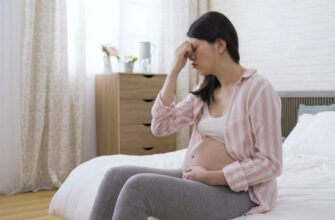
One of the most well-known forms of listeria infection is listeriosis, a serious infection that primarily affects pregnant women, newborns, and adults with weakened immune systems. Symptoms of listeriosis can include fever, muscle aches, and sometimes nausea or diarrhea. If the infection spreads to the nervous system, symptoms such as headache, stiff neck, confusion, loss of balance, or convulsions can occur. Pregnant women who contract listeriosis may experience only mild, flu-like symptoms, but the infection can lead to miscarriage, stillbirth, premature delivery, or life-threatening infection of the newborn.
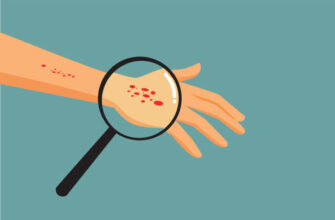
Another form of listeria infection is called granulomatosis infantiseptica, which primarily affects infants. Symptoms can include fever, vomiting, and diarrhea, as well as a skin rash. In rare cases, the infection can lead to meningitis.
Treatment for Listeria
Diagnosis of listeria is typically made through laboratory tests on a sample of blood, spinal fluid, or other body fluid. Treatment for listeria typically involves antibiotics, which are most effective when given early in the course of the infection. Intravenous antibiotics are typically used for severe infections or for people with weakened immune systems.
In addition to antibiotics, people with listeria may need to be hospitalized for supportive care, such as fluids given through a vein to prevent dehydration. People with listeriosis and weakened immune systems may need to be hospitalized for a longer period of time to ensure that the infection is fully treated.
Preventing listeria infection is primarily focused on avoiding contaminated food. Some steps that can be taken to reduce the risk of listeria include:
Washing raw fruits and vegetables thoroughly before eating them
Keeping raw meats separate from other foods in the grocery cart, refrigerator, and during food preparation -Cooking meats, particularly ground meats, to a safe internal temperature
Avoiding raw (unpasteurized) milk and dairy products, as well as soft cheeses made from raw milk
Properly storing leftovers and reheating them to a safe internal temperature
Practicing good hygiene, such as washing hands frequently, especially before preparing or eating food

In conclusion, Listeria is a serious bacterial infection that can cause severe symptoms and even death. Symptoms can vary depending on the person and the part of the body that is infected. It is important to be aware of the signs and symptoms of listeria and to seek medical attention if you suspect you may have been infected. Additionally, taking steps to prevent listeria by avoiding contaminated food and practicing good hygiene can help reduce the risk of infection.